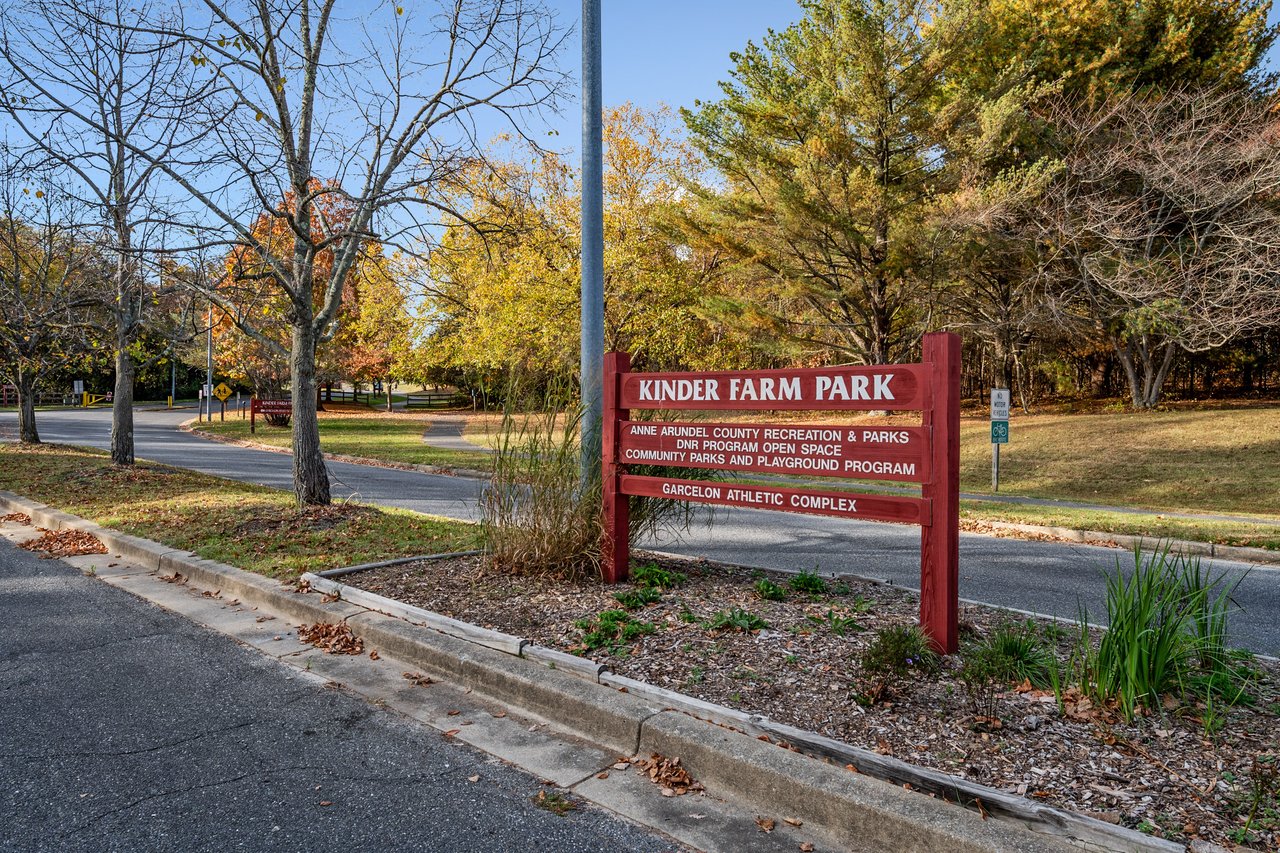
On a Wednesday afternoon in September, a ranger at Kinder Farm Park crouches near the Pollinator Garden with a net and a sheet of tiny adhesive tags, waiting for a monarch to land. This happens on a schedule most park visitors never see: Sundays through Wednesdays, noon to 2 p.m., all through September, with tagging demonstrations, conservation talk, and a live release at the end. No hayride runs during those hours. No pumpkin stand is set up. It's the quietest program the park runs all season, and it's already wrapping up while the version of fall most people associate with Kinder Farm Park hasn't opened yet.
That timing says something worth knowing if you live near this park in Millersville: it isn't one seasonal event with one calendar. It's two organizations running two different clocks, and knowing which one you're checking changes what you find when you show up.
Two Organizations, One Gate
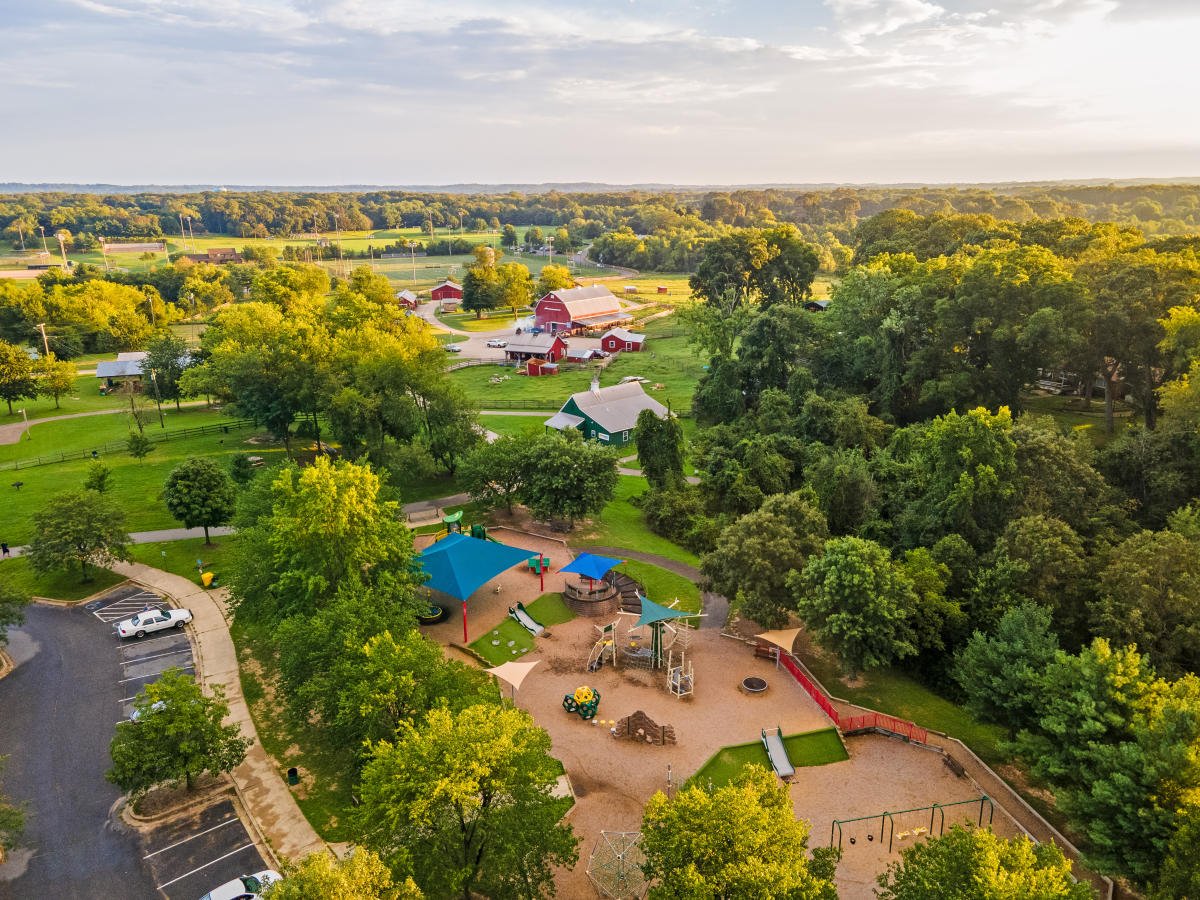
Anne Arundel County Recreation and Parks owns and operates the physical park at 1001 Kinder Farm Park Road, which is why the monarch tagging sessions, the entry policy, and the basic upkeep of the 288 acres all come from the county. But the museum hours, the hayrides, the book club, and the annual photo contest come from a separate nonprofit, the Friends of Kinder Farm Park, an all-volunteer advocacy group that raises money and staffs programs the county doesn't have the bandwidth to run itself.
That split explains a pattern locals have probably noticed without naming it. Some events at Kinder Farm feel like county infrastructure: scheduled, recurring, tied to conservation or education. Others feel like a small-town fair someone's neighbor organized in a barn: informal, seasonal, a little scrappy. Both are true at once, because both are actually happening, run by two different groups sharing one gate.
What's Actually on the Calendar This Month
The September and October programming makes the split visible if you know where to look. Here's what's running, and who's behind it:
- Monarch Butterfly Tagging Pop-Up Sessions (county-run): Sundays through Wednesdays, 12:00 to 2:00 p.m., through September, at the Pollinator Garden Butterfly House. Includes tagging demonstrations and live releases tied to migration tracking.
- Nature Connections Book Club (Friends of Kinder Farm Park): held its September meeting on the 22nd at the Visitors Center, open to non-members, a small recurring gathering most visitors never notice on their way to the playground.
- Farmhouse Museum Open Day (Friends of Kinder Farm Park): October 10, 11:00 a.m. to 3:00 p.m., inside the restored farmhouse that anchors the park's working-farm exhibits.
- Fall Fun Days and hayrides (Friends of Kinder Farm Park): scheduled through the season, details posted as they firm up on the Friends' own calendar.
- Annual photo competition (Friends of Kinder Farm Park): open to amateur photographers shooting anywhere in the park, a program the Friends group has run long enough to build a public archive of past winners.
Line these up against each other and the sequence tells you something a generic "fall festival roundup" wouldn't: the county's conservation programming front-loads into early and mid-September, while the volunteer-run harvest programming, the museum day, the hayrides, clusters into October. If you've only ever visited Kinder Farm Park for the hayride, you've been showing up for the second half of its fall calendar and missing the first.
The Garden Nobody Photographs for the Festival
Walk past the farm animal paddocks and the playground and you'll find something that never makes it into fall festival marketing: a community garden with roughly 125 plots, each about 20 by 30 feet, rented annually by residents who grow their own vegetables, fruit, and flowers. It's not part of any seasonal event. It runs year-round, on its own rhythm, tended by the same neighbors every spring and cleared by the same neighbors every fall.
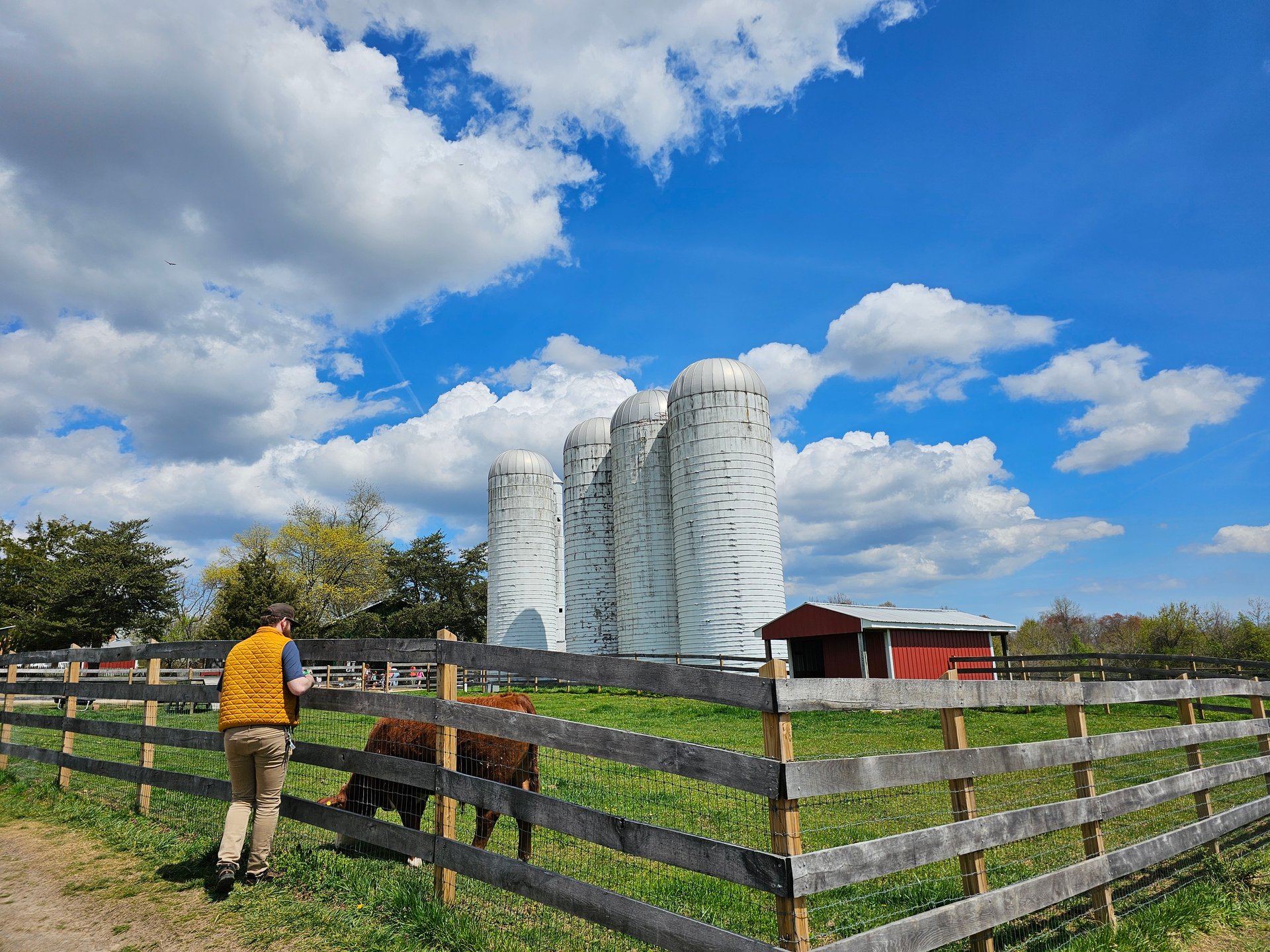
That garden matters to how you should think about this park. Kinder Farm Park started as an actual working farm, owned by Gustave and Henry Kinder and their descendants, a family of German immigrants who raised cattle and crops on the land before Anne Arundel County acquired it and restored the farmhouse and outbuildings as a museum. The 2.4-mile paved perimeter trail, the disc golf course, the ball fields, all of that came later, layered onto a property whose original identity was agricultural. The community garden is the one piece of that original use that never stopped. Everything else at Kinder Farm Park is recreation built on top of farmland. The garden is farmland that's still farmland.
That's also why the park draws a heavier concentration of birders than most county parks its size. Over 195 species have been logged at the eBird hotspot here, and the local Anne Arundel Bird Club runs free field trips through the property, drawn by the mix of mature forest, warm-season grass meadows, and ponds that a working farm leaves behind once it's no longer being farmed.
What Changes at the Gate This Fall
If you haven't been to Kinder Farm Park since last year, one thing is different before you even reach the events. Starting January 1, 2026, Anne Arundel County Parks put a new entry fee structure in place across its park system, Kinder Farm included. This fall is the first full harvest season operating under that adjusted pricing, which means if you're renewing an annual pass or budgeting a family visit around one of the Friends group's ticketed events, it's worth checking the county's current fee schedule before you go rather than assuming last year's numbers still apply. Regulars who've had the old rates memorized are the ones most likely to get caught off guard at the gate.
None of this changes what the park offers. It changes what you'll pay to get to it, and that's the kind of detail that matters more to someone who visits weekly than to someone who shows up once for the corn maze.
The Quiet Season Ends Before the Loud One Starts
By the time the Farmhouse Museum opens its doors on October 10, the monarchs will already be gone, tagged and released weeks earlier, migrating south while the hayrides are just getting scheduled. If you want to catch the county's conservation program this year, the window closes with September. If you're waiting for the museum, the hayrides, and the version of fall most people picture when they hear "Kinder Farm Park," that starts in October, run by the same volunteers who've kept the Friends group going long enough to have a photo contest with an actual archive behind it.
Both halves belong to the same park. Most visitors only ever meet one.
If you're weighing what it's like to live near a park like this, or curious what else sits within reach of it in Millersville, that's exactly the kind of local detail Chesapeake Home Team likes to talk through. Let's Connect.